
The Language Firm
Policy & Professional Development for K-12 AI and Edtech Governance
Governance is only as good as the language it is built from.

The Human Being & Terms of Exposure
-
![]()
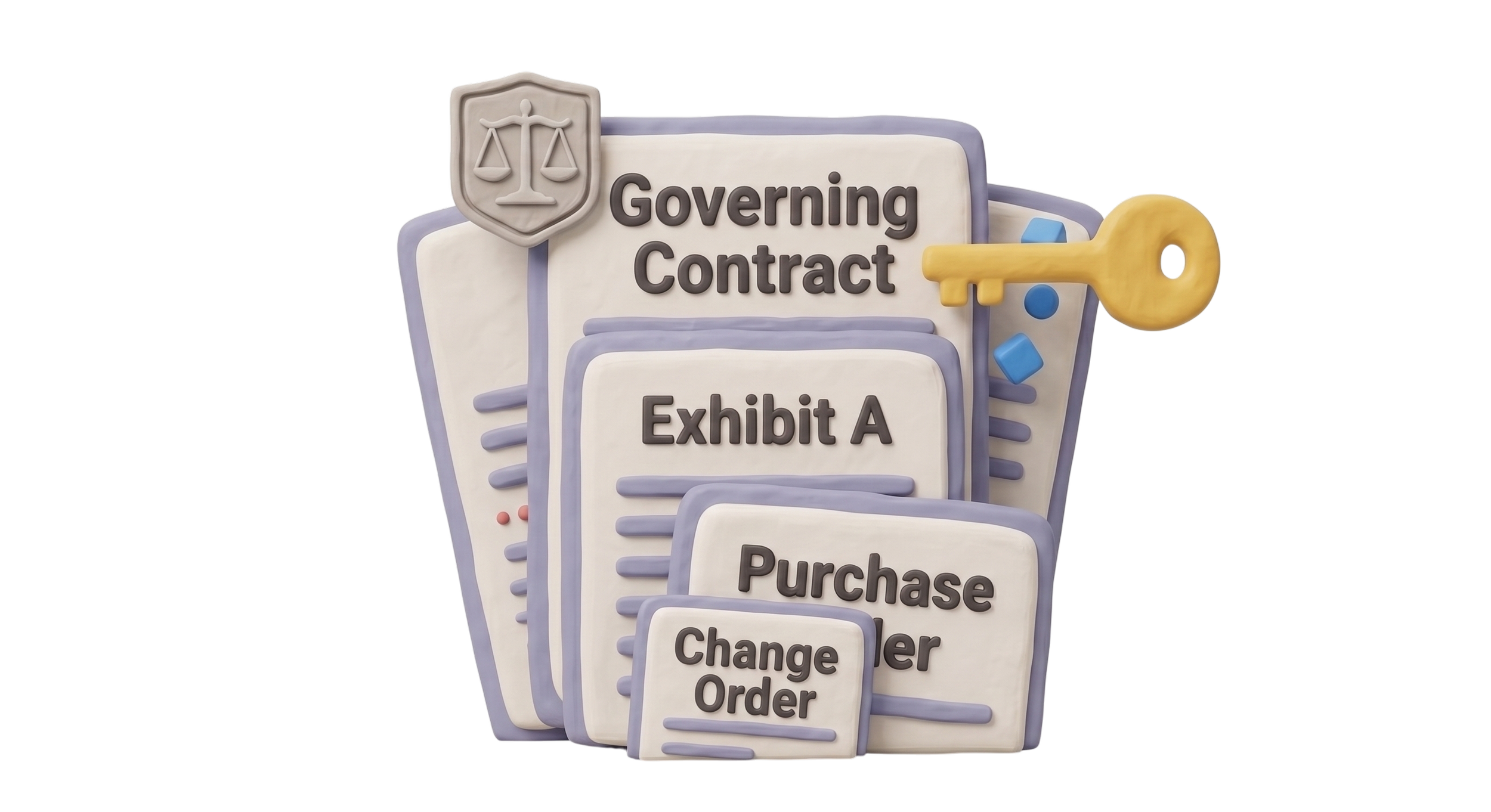
Order-of-Precedence Clause
A contract-drafting mechanism that establishes, before any dispute arises, which provision or document controls when the terms of a single agreement conflict.
-
![]()
Subprocessor
A party engaged by the vendor, on the vendor's own behalf, to process data in order to deliver or improve the service. Exhibit C of the NDPA v2.2 defines the term as a party other than the LEA or the Provider whom the Provider uses for data collection, analytics, storage, or other service to operate or improve its service, and who has access to or storage of Student Data.
-
![]()
Foundational Model Dependency
The condition of an edtech or AI product whose core function relies on a foundation model the vendor does not itself train. The dependency runs to the model rather than to the consumer product built on it.
-
![]()
Identity Sprawl
The accumulation of disconnected student and staff accounts across many vendor products, each holding identity data the district never inventoried and no single role governs.
-
![]()
The Human Being
The person whose data is in the system. In K-12 the Human Being is ordinarily a student. The term is not restricted to students, because the same reading applies to staff, families, and any person whose data enters a tool the institution authorized.
-
![]()
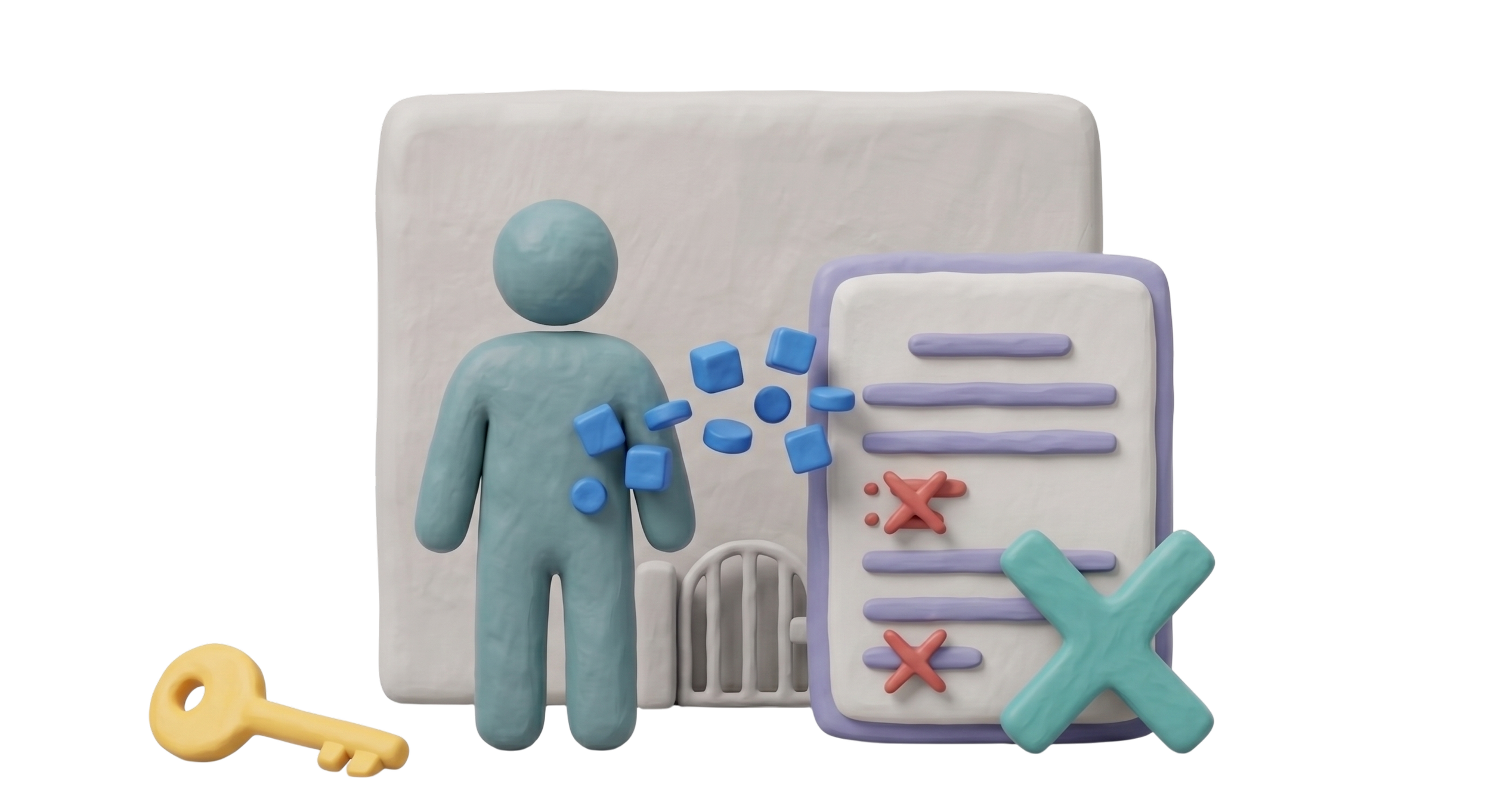
Non-Party Subject
The firm's term for the condition of a person whose data an agreement governs and who holds no right of formation, amendment, exit, or enforcement under it. The person did not negotiate the agreement, cannot amend it, cannot terminate it, and is not a signatory to it.


Every tool onboarded is a decision about student data.
Our Vendor Vetting & Ongoing Protection packages help you weigh those decisions before you sign.
The Intelligence Layer

The Incident Bulletin tells you what happened this week and whether it touches a federal requirement you carry
The Research Glossary gives you the language to read a vendor's documents against your own obligations.
The Current Standing Calendar holds the record of when each authorized tool was last read and when it is due again.
Together they are what continuing compliance and student data safety look like in practice: a standing record, not a one-time procurement check.
The Intelligence Layer is the firm's set of free, publicly published K-12 AI governance resources

The language determines the liability. Someone has to read it that way.
Every AI tool your district adopted this year created a compliance file that someone has to own. If no one read the vendor language forensically, mapped the data flow, or signed the attestation page, that file is empty. We apply The Forensic Read™ to fill it.
Some of the offerings that can carry the work into your district:
The Community & Faith-Based Organization Offerings. Plain-language workshops and faith-community sessions tailored to each audience and paired with free take-home resources to help community organizations and congregations navigate the questions around AI that they are already asking.
The Governance Policy Consultation. An AI & edtech policy consultation that grounds district or school building’s procurement and governance decisions in vendor language, classroom practice, student data safety, and real-time functionality for day-to-day use.
The Language Firm's intelligence layer: forensic analysis of K-12 AI vendor governance, made citable for those positioned to act on it at scale.
A named, accountable human, with the documentation to prove it.
FAQs
-
We investigate the language that governs your district's AI tools, vendor relationships, and compliance obligations. Every agreement your district signs, every privacy policy attached to a tool in your building, and every federal requirement your team is accountable for is a language artifact. We perform forensic language analysis across that full document ecosystem to identify where the language protects the district, where it leaves exposures, and where the gaps between documents create accountability no one in the building realized they accepted.
The findings go to your leadership and legal counsel as documented evidence. Then we build the governance infrastructure that closes what we found: audit-ready documentation, vendor evaluation protocols, compliance workbooks (if desired), and weekly intelligence products that keep the building current as the tools, the vendors, and the regulations keep changing.
-
Everything a district is accountable for lives in language. The vendor agreement that determines who is responsible for student data is language. The federal regulation that defines what the district must document is language. The privacy policy that parents are told protects their children is language. The DPA exhibit that specifies what data transfers to a third party is language.
Applied linguistics is the study of how language functions in real-world institutional contexts. A compliance review asks whether the right documents are on file. A forensic language analysis asks whether the language in those documents actually does what everyone in the building assumes it does, whether the definitions stay consistent across agreements, and whether the commitments hold up when read against the vendor's own terms of service. That is the gap between having a signed DPA and knowing what you signed.
-
An applied linguist reads differently. Where an administrator reads a privacy policy for content (what they must do), a linguist reads it for function (what we get to do): what the language commits to, what it reserves the right to do, and where it creates the appearance of protection without the enforceable obligation. "We take student privacy seriously" is a statement of sentiment. "We will notify the district within 72 hours of a confirmed breach" is a commitment. Most vendor documentation is heavy on the first and light on the second. A linguist sees the difference immediately and applies this finding to time-saving governance solutions.
That training applied across the full document ecosystem surrounding every tool, vendor, and federal obligation in the district means exposures get found before they become audit findings, contradictions between agreements get flagged before a reviewer discovers them, and the documentation on file reflects what actually happened rather than what everyone assumed was covered.
-
Legal counsel confirms whether a document meets statutory requirements. We investigate whether the language across all of your documents actually does what everyone in the building assumes it does. These are different analyses that find different problems.
An attorney reviews a DPA for required clauses. The forensic linguistic lens reads that DPA against the vendor's terms of service, privacy policy, and master service agreement to identify where definitions drift, commitments dissolve, and one document silently overrides another.
Most districts engage legal review at the point of contract signing, not as ongoing monitoring. No one goes back to check whether a vendor's terms shifted six months later or immediately after a merger. Our findings go to your legal counsel so they can act on what we found. We are the investigator. They are the counselor. The district needs both.
-
That is the most common starting point. Most schools arrive here because something surfaced a gap: a monitoring visit, a staff departure, an AI tool that got adopted before anyone reviewed it. We do not start from where you should be. We start from where you are, document the current state honestly, and build forward from there. Being behind is not the problem. Staying behind is.